

Ranchers in British Columbia are facing rising fuel and equipment costs, labour shortages, regulatory pressure, and reduced local processing capacity. These pressures mean grazing land must be managed more efficiently to remain productive and profitable.
Conversations with cattle producers throughout British Columbia, including the Okanagan, Cariboo, Peace Region, and Interior highlight how these challenges are affecting day-to-day ranch operations. Many producers are now adopting practical technologies such as GPS livestock tracking, geofencing and virtual fencing systems, and solar-powered ranch equipment to reduce labour demands and improve grazing management.
These tools are helping ranchers monitor livestock more effectively, optimize pasture use, and maintain operational viability despite increasing costs and complexity. As a result, ranching technology is becoming an important part of modern livestock management in British Columbia.
This article explores the key challenges facing producers and how these technologies are shaping the future of ranching in the province.
Why Technology Is Becoming Essential on Modern Ranches
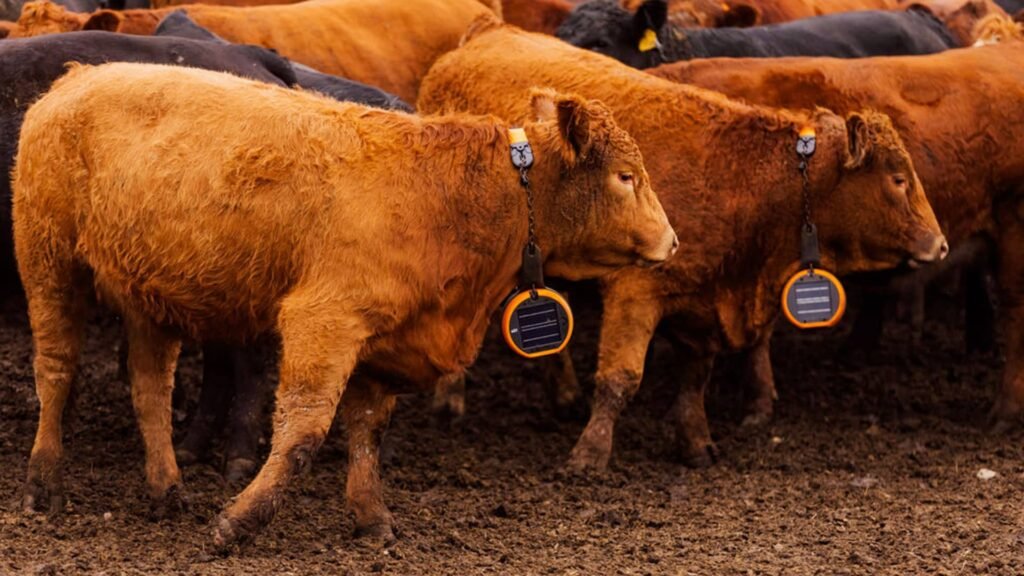
Technology has become an important part of many industries, and ranching is no exception. While ranching will always depend on practical experience and strong decision-making, modern tools can provide valuable information that helps producers manage their operations more effectively.
The shift toward technology-driven ranch management is not about replacing traditional ranching practices. Instead, it is about enhancing them.
With access to real-time data and remote monitoring capabilities, producers can make faster and more informed decisions. They can spend less time searching for cattle, checking water systems, or inspecting large grazing areas and more time focusing on strategic management and herd health.
Some of the key benefits of adopting modern ranching technology include:
- Reduced labour requirements
- Improved grazing management
- Better livestock monitoring
- Increased operational efficiency
- Greater flexibility in land use
- Improved resource utilization
- Enhanced animal welfare
These benefits are helping ranchers adapt to changing conditions while maintaining productive and sustainable operations.
Virtual Fencing Is Transforming Grazing Management
One of the most significant innovations in livestock management is virtual fencing.
Traditional fencing has long been an essential component of ranch operations. However, installing and maintaining physical fences across large properties can be costly, time-consuming, and restrictive.
Virtual fencing offers an alternative approach that provides greater flexibility while reducing infrastructure requirements. Woody from 4X Ranch in Armstrong BC just purchased eShepherd virtual fencing neckbands from us in 2026, he is planning to use the technology to enable grazing on range areas that lack fences and make it hard to manage cattle.
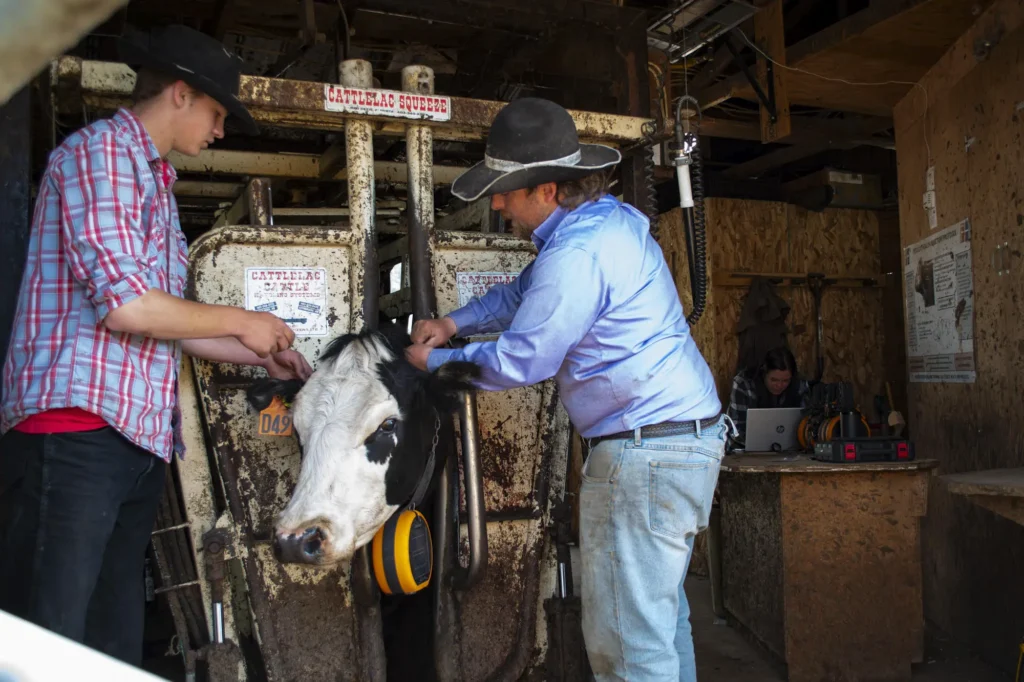
4X Ranch in Armstrong BC installing eshepherd virtual fence systems from Okanagan Ranch and Fence Supplies.
What Is Virtual Fencing?
Virtual fencing systems use GPS technology and smart livestock collars to create invisible boundaries for cattle. Rather than relying solely on physical fences, producers can establish grazing zones digitally through software and remote management tools.
When animals approach a designated boundary, the system provides cues that encourage them to remain within the intended grazing area.
This technology allows ranchers to manage livestock movement without the need to construct extensive new fencing infrastructure.
Benefits of Virtual Fencing
Virtual fencing provides several advantages for modern ranch operations.
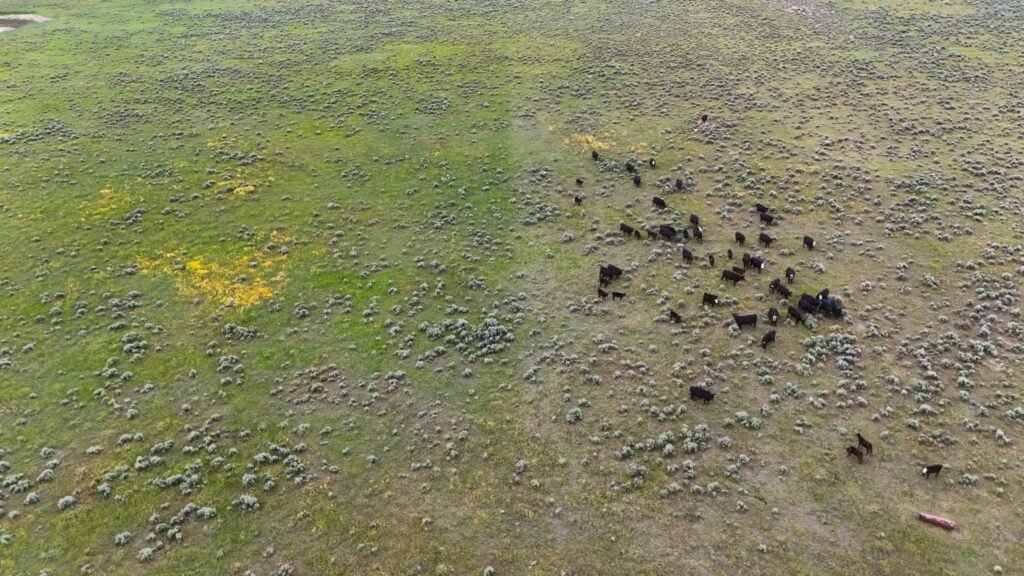
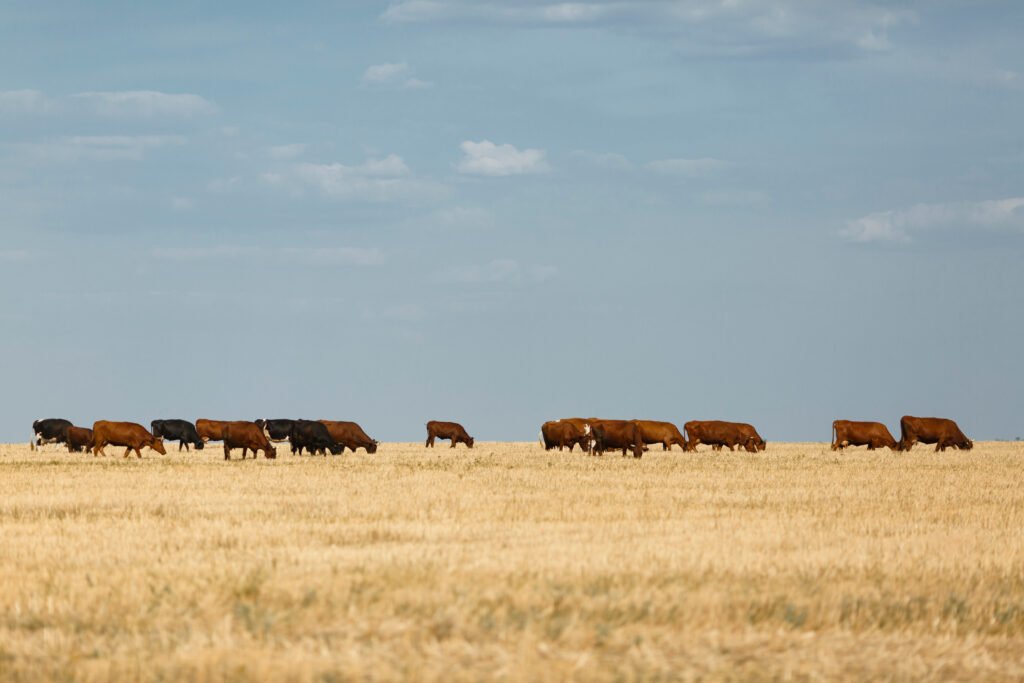
Wide landscape photo of the Box X Ranch in Montana showing shortgrass prairie and open rangeland
Improved Grazing Management
Producers can create and adjust grazing areas based on forage conditions, seasonal changes, and operational goals. This flexibility supports more effective rotational grazing practices and helps optimize pasture utilization.
Reduced Infrastructure Costs
Physical fencing requires materials, maintenance, and labour. Virtual fencing can reduce the need for additional fence construction in many situations, lowering long-term costs.
Greater Operational Flexibility
Boundaries can be adjusted remotely as conditions change. Ranchers can respond quickly to weather conditions, forage availability, or livestock management needs.
Better Land Stewardship
Virtual fencing can help protect environmentally sensitive areas, waterways, and restoration zones while still allowing efficient grazing management.
Solutions such as eShepherd Virtual Fencing are helping producers gain greater control over grazing strategies while reducing the time and resources required to manage large grazing areas.
GPS Livestock Tracking Improves Herd Visibility and Control
Managing cattle across large ranches has always presented unique challenges. In many parts of British Columbia, livestock may graze across extensive areas that include rugged terrain, forests, grasslands, and remote pastures. Keeping track of herd movement can require significant time and labour.
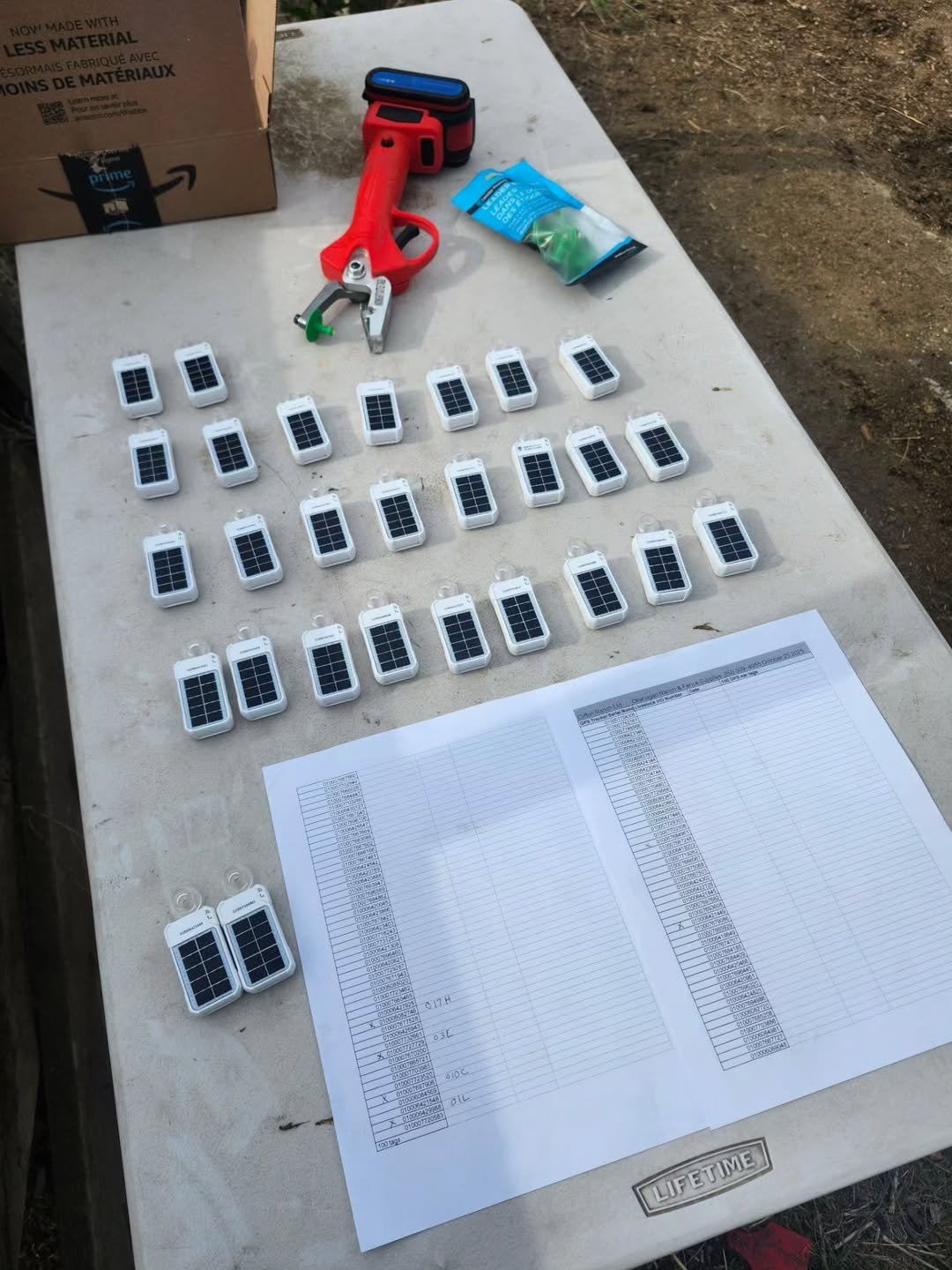
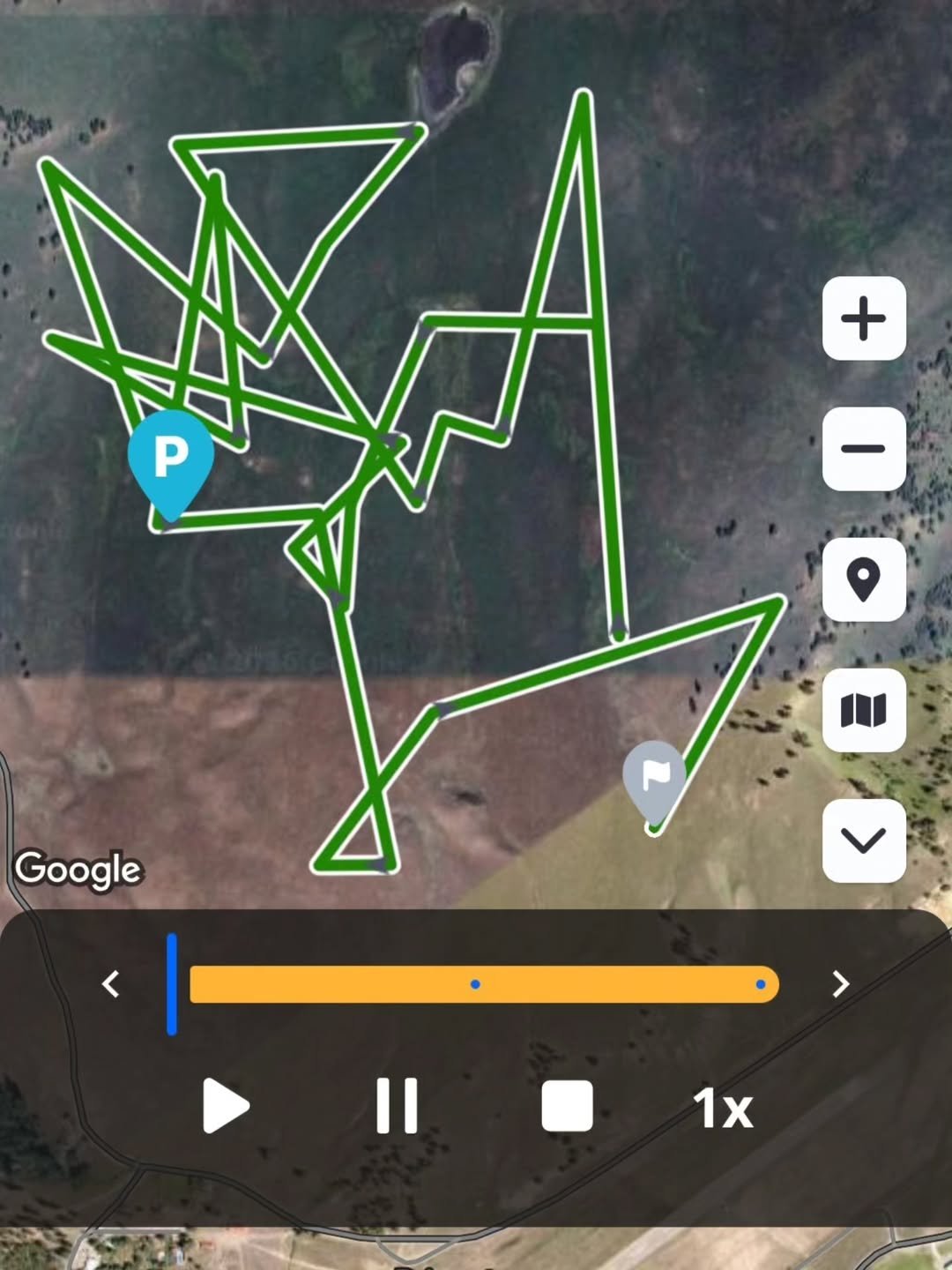
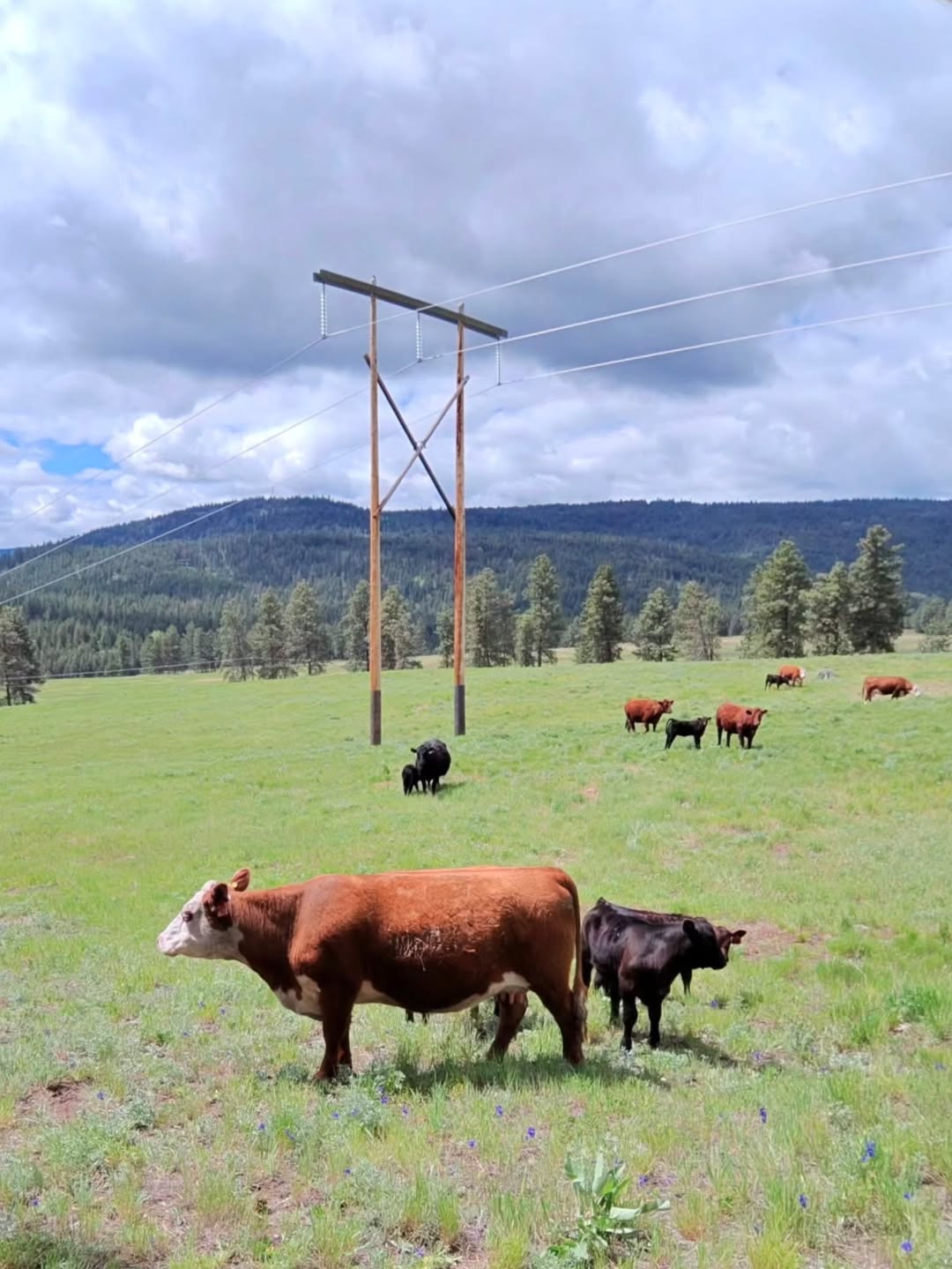
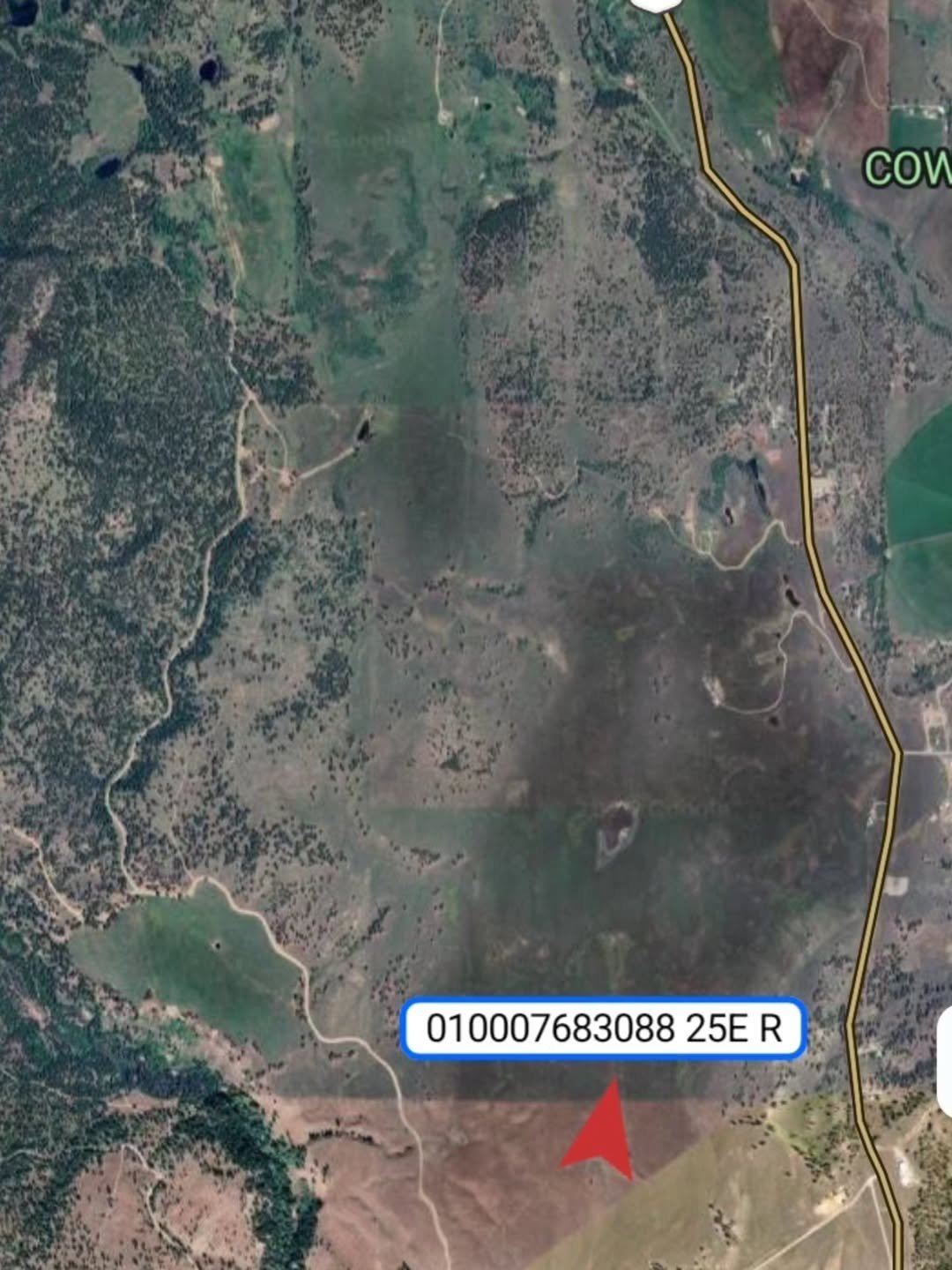
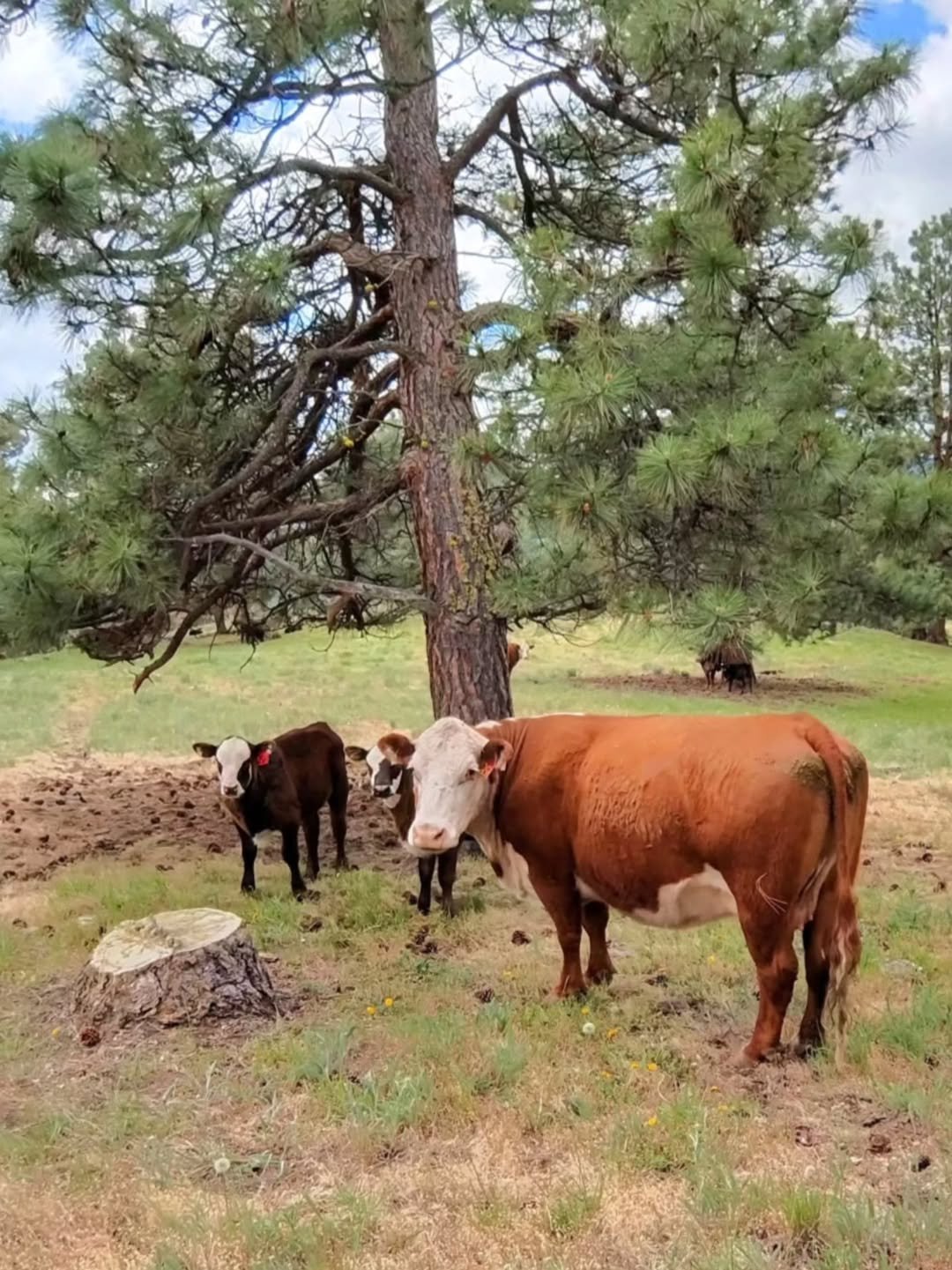
Modern GPS livestock tracking technology is helping producers gain greater visibility into their operations while reducing the need for constant physical monitoring. The Clifton Ranch in Southern British Columbia tested out a few GPS Ear Tags to track the movement of their cows in 2025, the data proved so valuable that they decided to expand the project in 2026 by purchasing another 100 trackers from us.
How GPS Livestock Tracking Works
GPS livestock tracking systems provide location data that allows producers to monitor animal movement remotely and access information through mobile devices or computers, providing valuable insights into herd location and behaviour.
This technology enables producers to quickly determine where cattle are located, helping reduce time spent searching for animals and improving overall management efficiency.
Benefits of GPS Livestock Tracking
Improved Livestock Visibility
Knowing where animals are located allows ranchers to make informed decisions about grazing management, herd movement, and operational planning.
Reduced Labour Requirements
Rather than spending hours locating livestock across large properties, producers can use tracking data to focus their efforts more effectively.
Enhanced Security
GPS monitoring can help identify unusual movement patterns and provide greater awareness of herd activity.
Better Grazing Insights
Tracking information can reveal how cattle are utilizing available pasture, helping producers optimize grazing plans and improve land management strategies.
For ranchers operating in remote or expansive grazing environments, Solar GPS Trackers provide an effective solution for maintaining visibility while minimizing maintenance requirements.
Water Management Innovations Support Healthier Herds
Water availability is one of the most important factors influencing livestock health and grazing success. Without reliable access to clean water, even the best grazing plans can become difficult to implement.
As ranchers seek to improve pasture utilization and expand grazing opportunities, portable water solutions are becoming increasingly valuable.
The Importance of Strategic Water Placement
Cattle naturally spend more time grazing near water sources. When water access is limited to a single location, grazing pressure can become concentrated in specific areas while other portions of a pasture remain underutilized.
Strategic water placement encourages more uniform grazing patterns, helping improve forage utilization and pasture health.
This is particularly important for rotational grazing systems where producers aim to distribute livestock more evenly across available land.
Challenges with Traditional Water Infrastructure
Permanent water systems often require significant installation costs and may limit flexibility when grazing plans change.
In remote locations, extending water infrastructure can be both expensive and time-consuming. Producers may also face challenges related to power availability and accessibility.
The Advantages of Portable Solar-Powered Water Systems
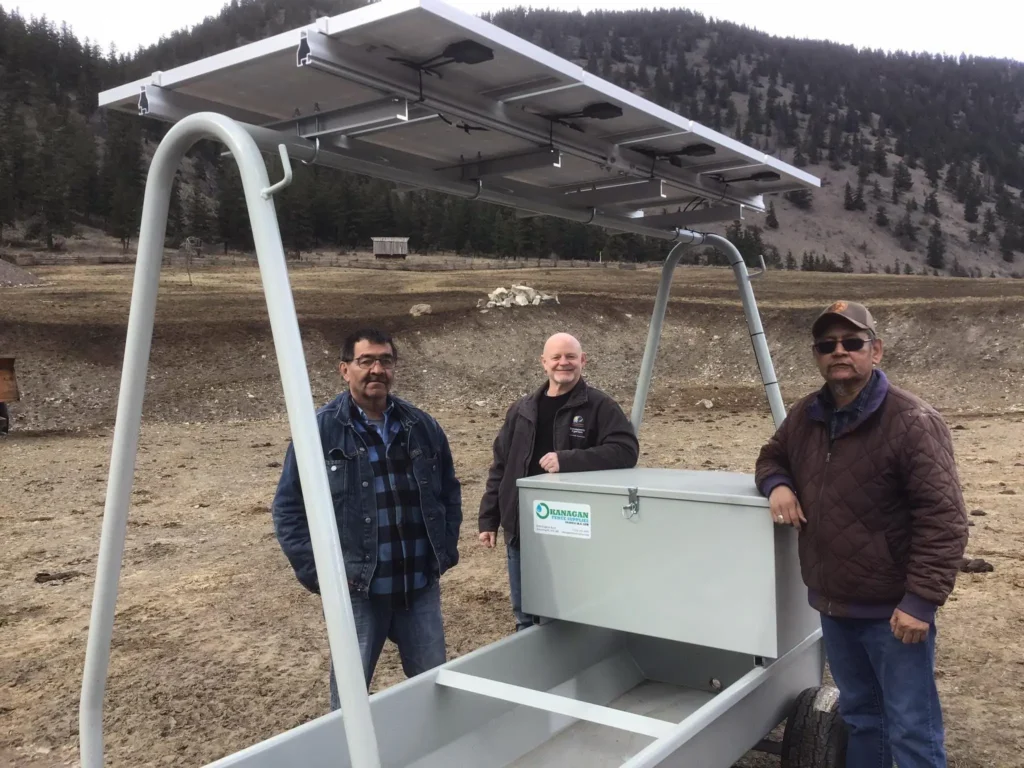
BC Cattle Company in Canoe Creek near Big Bar Mountain in the Cariboo, where they are using the water buggy to keep cattle out of sensitive riparian areas.
Innovative solutions such as the Solar Water Buggy provide ranchers with greater flexibility when managing water resources.
Benefits include:
- Portable water delivery where cattle need it most
- Reduced dependence on permanent infrastructure
- Improved grazing distribution
- Support for rotational grazing programs
- Solar-powered operation that reduces energy requirements
By making water more accessible throughout grazing areas, producers can improve pasture utilization while supporting herd health and productivity.
Portable Electric Fence Systems Supporting Ranch Efficiency
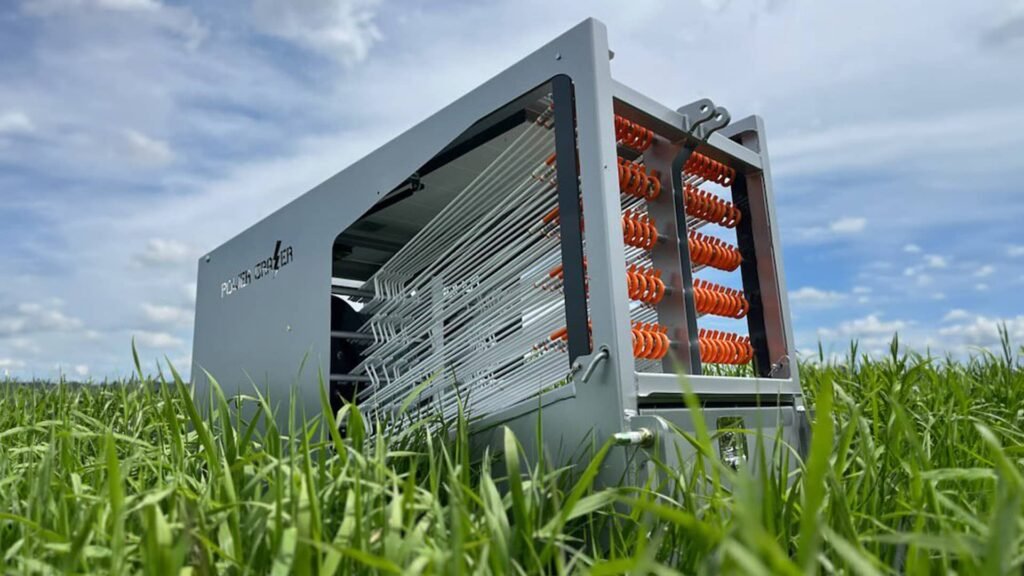
Products like Portable Electric Fence Systems are designed with the realities of ranch life in mind and allow producers to easily set-up and move fence systems, saving valuable time and money.
When paired with a portable water systems, rotational grazing becomes much more feasible than using traditional step-in posts and poly wire.
Alex and Julis own both the Power Shepherd for their goats and sheep, and then the Razer Grazer for their cattle. They love the flexibility the systems offer for their rotational grazing and have been a multiple purchase customer from us.
Conclusion
British Columbia’s ranching industry has a proud history built on hard work, adaptability, and a commitment to responsible land stewardship. While today’s producers face significant challenges, they also have access to technologies that can help them operate more efficiently and make better use of available resources.
Virtual fencing is providing greater flexibility in grazing management. GPS livestock tracking is delivering valuable insights into herd movement and behaviour. Portable solar-powered water systems and portable electric fence systems are helping ranchers improve pasture utilization and supporting greater efficiency across daily operations.
The future of ranching will continue to rely on the expertise and dedication of producers. With the support of innovative tools and proven technologies, ranchers across British Columbia can continue to strengthen their operations and adapt to the changing demands of the industry.
To learn more about practical ranching solutions, explore Okanagan Ranch & Fence Supplies’ range of virtual fencing systems, livestock tracking technologies, solar-powered water solutions, and ranch management equipment designed to support the future of modern ranching.